Moving into a new home: a checklist
What to check before you pay, before you sign and on move-in day, so you settle in smoothly and have the records you need to get your caution fee back.
Hauslet Team ·
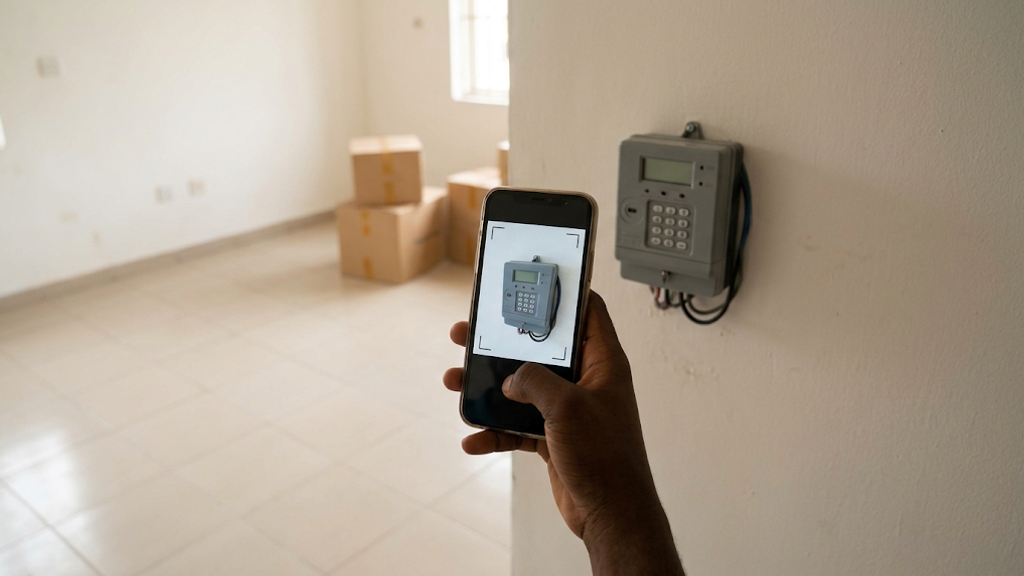
Moving into a rented home goes more smoothly when you check the right things at each stage. This checklist covers what to do before you pay, before you sign, on move-in day and in your first week. Most of it needs nothing more than your phone and a notebook, and it leaves you with a record you can rely on when it's time to get your caution fee back. A caution fee is the refundable deposit a landlord holds against damage to the home.
Before you start
- A phone with a camera and space for photos and short videos
- A notebook or notes app for the condition list and meter readings
- A folder, on paper or on your phone, for the tenancy agreement and receipts
- Names and phone numbers for the landlord, the agent and, if there is one, the estate or facility manager
Step 1: Check before you pay
- See the home. View it in person, or send someone you trust. Check that it matches the photos and the description.
- Check who you're dealing with. Ask the landlord or agent to show they're allowed to let the property. In Lagos, you can ask an agent for their Lagos State Real Estate Regulatory Authority (LASRERA) registration.
- Get the full cost in writing. That means the rent, the agency fee, the agreement fee, the caution fee and any service charge. The guide to what you'll pay upfront to rent in Lagos explains each one.
- Pay the right person. Pay into an account in the name of the landlord or the agency, and get a separate, dated receipt for each payment.
- Keep a written trail. If you found the home on Hauslet, keep your messages with the host on Hauslet so you have a record of what was agreed.
Step 2: Read the agreement before you sign
Ask for a copy of the tenancy agreement before you pay the agreement fee, and read every page. Check:
- the names of the landlord and the tenant, and the address of the home
- the rent, how often it's paid and what happens at renewal
- the start and end dates, and the notice either side has to give
- the caution fee: how much it is, what it can be used for and how and when it's refunded
- who pays for which repairs
- the service charge: how much it is, what it covers and who collects it
- rules on subletting, pets, changes to the home and changing the locks
If the landlord or agent has promised something out loud, such as finishing a repair before you move in, ask for it in writing. If anything is unclear, speak to a lawyer before you sign. Keep a signed copy for yourself.
Step 3: Record the home's condition on move-in day
Do this before you unpack, while the rooms are still empty.
- Walk through the home room by room. Take dated photos and short videos of the walls, floors, ceilings, doors, windows and fittings.
- Take close-ups of any existing damage, such as cracks, stains, broken tiles or missing fittings.
- Test the taps, toilets, showers, water heaters, lights, sockets, fans, air conditioners and locks. Note anything that doesn't work.
- Write a condition list: each room, what's in it and the state it's in.
- Ask the landlord or agent to go through the list with you and sign it. Each of you keeps a copy.
- Send the photos and the list to the landlord or agent by message or email, so there's a dated record you both have.
Step 4: Take meter readings and count the keys
- Prepaid electricity meter: photograph the meter showing the meter number and the units left. Ask how to buy tokens for it and whether any unpaid bills are attached to the meter.
- Postpaid electricity meter: photograph the reading and note the date. Ask for the last bill, so you only pay for what you use.
- Water: if there's a water meter, photograph the reading. If the water comes from a borehole or a shared tank, ask who maintains it and whether the service charge covers it.
- Backup power: if there's a generator or other backup supply, ask who runs it and who pays for fuel and repairs.
- Keys: count the keys for every door, gate and padlock, plus any remotes or access cards. Add the count to your condition list.
Step 5: Settle in during your first week
- Change the locks if you're allowed to. Check your agreement first and agree it with the landlord in writing. Agree who keeps a spare key.
- Register with estate security. If you live in an estate or a building with security, register with the estate office or security team as they ask, and find out how visitors are let in.
- Sort out the service charge. Confirm the amount, what it covers, when it's due and who collects it. Get a receipt when you pay.
- Report anything you missed. If you find a fault in the first few days, tell the landlord or agent in writing and add it to your condition list.
- Save your contacts. Keep numbers for the landlord, the agent, the facility manager and estate security in one place.
What happens next
- Keep the agreement, receipts, condition list and photos together until you've moved out and the caution fee is settled.
- Report repairs in writing as they come up, so there's a record of when you raised them.
- When you move out, repeat Step 3 and Step 4: photograph every room, compare it with your move-in list, take final meter readings and hand back every key.
- Agree in writing what, if anything, comes out of the caution fee. In Lagos, where the 2011 Tenancy Law applies, you're entitled to the caution fee back minus the cost of repairing damage beyond normal wear. If you can't agree, speak to a lawyer.
Still looking for the right place? Search homes for rent, or post a property request and let hosts send you homes that match.
Hauslet Team
Hauslet
The people building Hauslet.